
Caught Between Fear and Hope: Finding a Way Forward That Feels Real, an article by Carl Argent
Caught Between Fear and Hope: Finding a Way Forward That Feels Real
Fear can make the future feel dangerous. Reassurance may offer a brief escape. Explore a steadier kind of hope, with something that matters, a possible route and room for the barriers along the way.
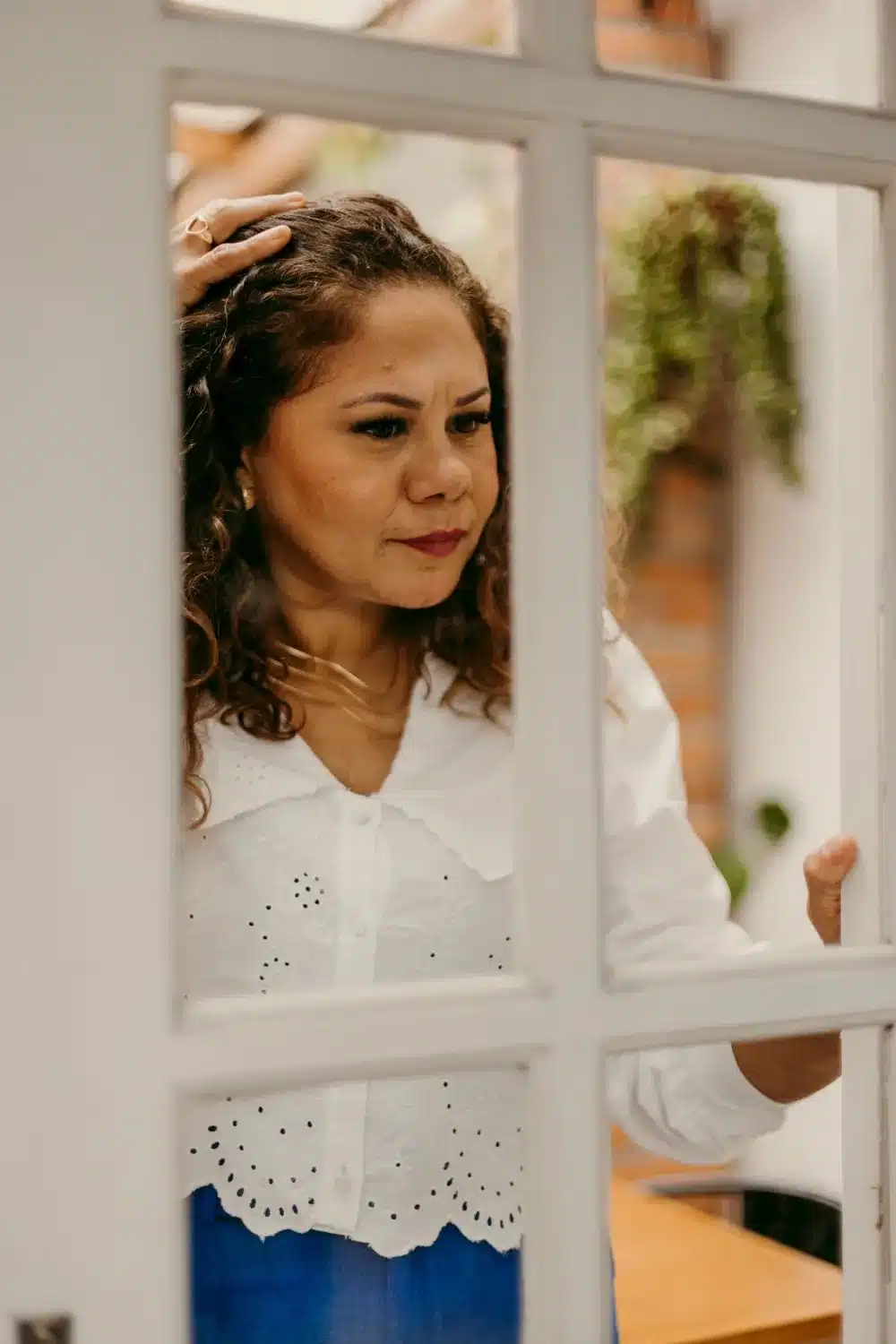
Hope needs somewhere to go
Hope is more than telling yourself that everything will be fine. It can involve knowing what matters to you, seeing a possible way towards it and finding enough support to take a step, including when something gets in the way. You do not have to feel fearless before that becomes possible.
Perhaps you know the movement well. One moment you are convinced something will go wrong. The next, you reassure yourself that it will all work out. For a while, you feel better. Then a difficult message arrives, a plan changes or you have too much time to think, and the fear returns.
It can feel as though you spend your life moving between preparing for the worst and waiting for the best.
Neither leaves much room to live in the meantime.
When the future becomes a warning
Fear makes sense when you perceive danger. Sometimes that danger is immediate and needs a practical response. At other times, anxiety gathers around what might happen: losing someone, making the wrong choice, being rejected or discovering that you cannot cope.
The feeling can be real even when the feared event has not happened. Your attention may narrow around the possibility, and ordinary uncertainty starts to feel like evidence that something is wrong.
A conversation becomes something to rehearse. A decision becomes something to postpone. A quiet evening becomes an opportunity to check whether everything is still okay.
There may be good reasons you have learned to be watchful. Understanding those reasons matters more than telling yourself to stop worrying. Anxiety can have several influences, and persistent or overwhelming symptoms deserve appropriate support.
But there is a question worth noticing: how much of your day is organised around preventing a feared future, rather than moving towards a life you want?
The hope that only lasts until the next worry
When fear becomes exhausting, reassurance can feel like relief.
You tell yourself that next week will be different. That the relationship will settle down. That you will feel confident once the right moment arrives. That somehow, something will change.
Sometimes it does. Rest, time and changes around us can help. There is nothing wrong with wishing for better circumstances.
The difficulty comes when reassurance is doing the work of a pathway. You feel briefly calmer, but there is still no clearer sense of what you need, what is available or what could happen next.
In everyday language, we might call this false hope. That does not mean your wish is foolish, or that a difficult goal is hopeless. It describes the comfort of a promised outcome when the way towards it has not yet been explored.
Fear says, "It will go wrong." Reassurance says, "It will be fine."
Grounded hope asks a different question: "What might help me find a way through?"
A wish, a way and room to change course
One influential research approach understands hope through goals, possible pathways and a sense of agency: the belief that you can begin or continue using a route. It also makes room for finding another route when one becomes blocked. These ideas come from C. R. Snyder’s work on hope. They offer a useful lens, rather than a complete explanation of every person’s experience.
In ordinary life, this can start with three questions.
What am I actually hoping for? What might take me towards it? What could help if that route becomes difficult?
The first answer is not always the one you expect. You might say you want to stop feeling anxious, while underneath that wish is a longing to speak honestly, feel close to someone or trust yourself enough to make a decision.
That distinction matters. "Never feel anxious" asks you to control a feeling. "Have more room to speak honestly" begins to suggest something we can explore.
The pathway need not be a complete plan. It might be one conversation, a boundary, a request for support or understanding what happens just before you withdraw.
And the will to begin is not simply a matter of trying harder. Exhaustion, health, money, caring responsibilities and previous disappointments can all affect what is possible. Sometimes the first step is to reduce what you are carrying, not add another demand.
What happens when the way is blocked?
Imagine wanting to feel less alone. You decide to contact someone, but they are busy and cannot meet.
If the whole hope depended on that one response, the disappointment may seem to confirm that nothing will change. It is easy to retreat into the familiar conclusion: "There is no point."
Yet their availability does not tell us everything about your possibilities for connection. The route may need adjusting, the timing may be wrong or a different kind of support may be needed.
This is not a demand to keep pursuing someone who has said no. Other people’s boundaries and choices matter. Nor must you find an alternative immediately. Disappointment deserves room too.
A barrier can be information about the route, rather than a verdict on you.
In therapy, we can look closely at the moment when those two things become the same. What does an obstacle seem to say about your worth? What old expectation arrives with it? What becomes hard to see once that feeling takes over?
Those questions are often more useful than another instruction to be positive.
How therapy can help hope become more believable
You do not have to arrive with a goal or a hopeful feeling. We can begin with the fear, the tiredness or the uncertainty you are experiencing.
My person-centred approach gives us room to understand what this is like for you, including what you have already tried. We can become curious about what you want your life to make room for, rather than assume that everyone wants the same kind of change.
My ACT approach also helps us explore choices that express your values while difficult thoughts and feelings are present. Waiting until fear has completely disappeared can leave something important on hold for a long time.
Working together may help you distinguish a real danger from a feared possibility, recognise resources you have overlooked and discover a next step that fits your circumstances. Where practical safety, medical care or specialist support is needed, that must remain part of the picture.
The aim is not to replace anxiety with permanent optimism. It is to make more room for understanding, choice and a future that does not depend entirely on fear settling down first.
Sometimes hope begins quietly: "I still do not know how this will turn out, but I am no longer trying to find my way alone."
One question to carry with you
Choose something you keep telling yourself will get better.
Then ask: "What would better actually look like in an ordinary moment of my day?"
Perhaps it is being able to answer a message without rehearsing it ten times. Perhaps it is admitting what you need. Perhaps it is having one evening that does not belong to worry.
You do not need to solve it now. Just notice whether naming it more clearly reveals something you could explore, or some support you might need.
Hope may become more believable when it has somewhere specific to go.
Questions people often ask
Can I feel hopeful and anxious at the same time?
Yes. A meaningful possibility can matter to you while you still feel frightened or uncertain. Hope does not require the absence of anxiety. We can explore what would make a next step supported and manageable.
What if I have tried before and nothing changed?
That experience deserves understanding, not another instruction to try harder. We can consider what you tried, what got in the way and whether the goal, circumstances or support need to be different. There is no promise that every outcome is within your control.
Will therapy make me feel hopeful?
Therapy can offer space to understand fear, clarify what matters and explore possibilities with support. How that feels and what changes vary from person to person. You are welcome to begin without feeling hopeful.
If you want to take this further
If your life has become a movement between worrying and trying to reassure yourself, we can explore what neither position is giving you.
An article cannot know what your fear is protecting, what hope means in your circumstances or where a possible route keeps disappearing. That is the work we can begin together.
I offer counselling in Shoeburyness, Southend-on-Sea, and online across the UK. You can read about counselling with me or book a free initial conversation to see whether we feel like a good fit.
You do not need a convincing story about how things will improve. You can start with what it is like to be here now.
Sources
C. R. Snyder (2002), Hope Theory: Rainbows in the Mind. A research perspective on goals, pathways and agency, not a guarantee of therapeutic outcomes.
NHS: Anxiety, fear and panic. General information on anxiety and seeking support.
BACP: Person-centred counselling. Background on a collaborative approach led by the client’s experience.
More than a problem. A person worth understanding.
Therapy offers space to understand what is difficult, recognise what matters to you and explore a way forward that fits your life. Meet with me in Shoeburyness, Southend-on-Sea, or online across the UK.
About counselling