
Couples therapy with Carl Argent in Southend-on-Sea and online across the UK
Couples therapy in Southend
and online across the UK.
I’m Carl Argent. When conversations become arguments or you feel distant, I offer Gottman- and Imago-informed therapy to help you understand each other, rebuild connection and explore what comes next.
Free, no-obligation 30-minute video consultation. Couples sessions: £95 for 90 minutes, for two people.
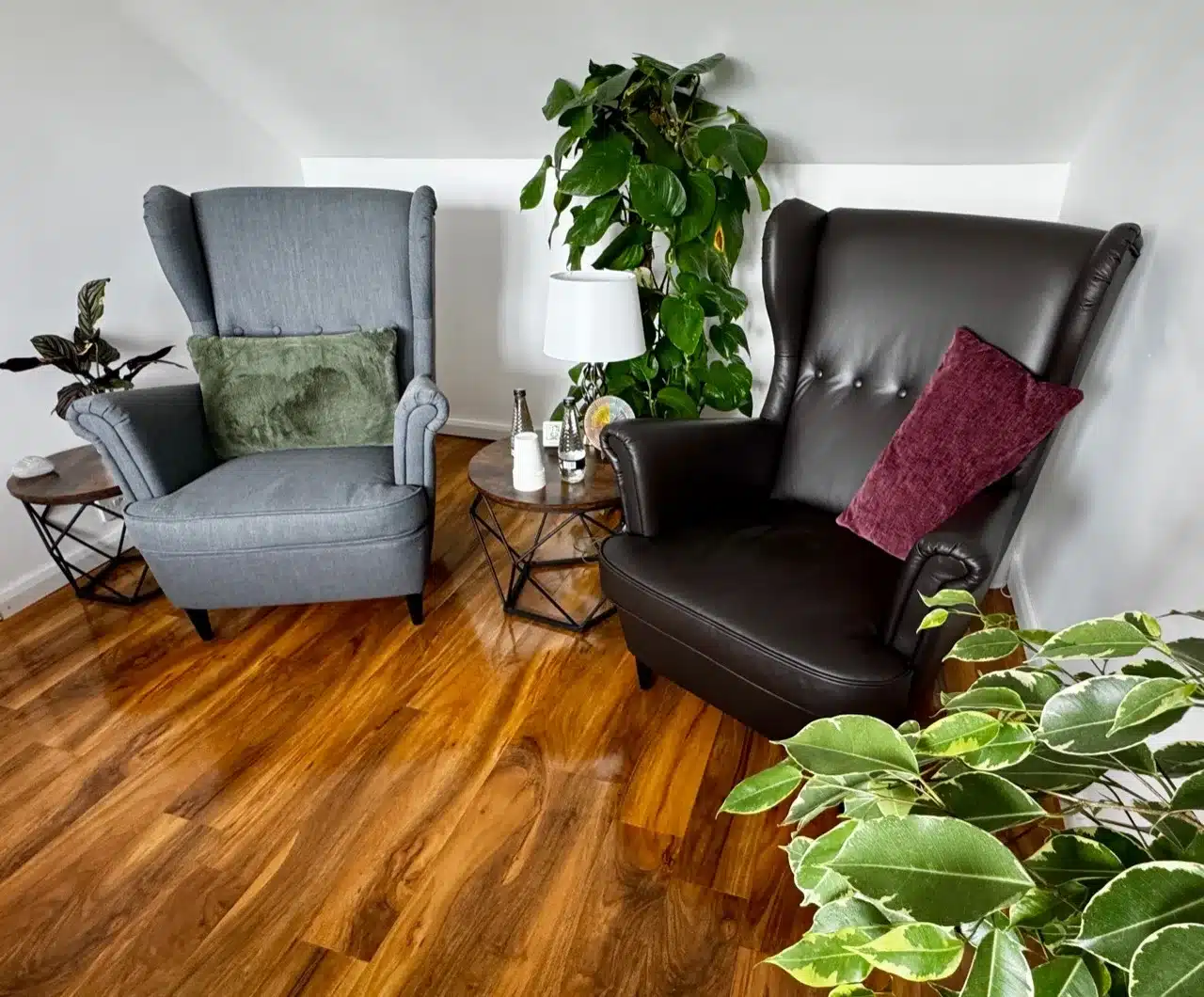
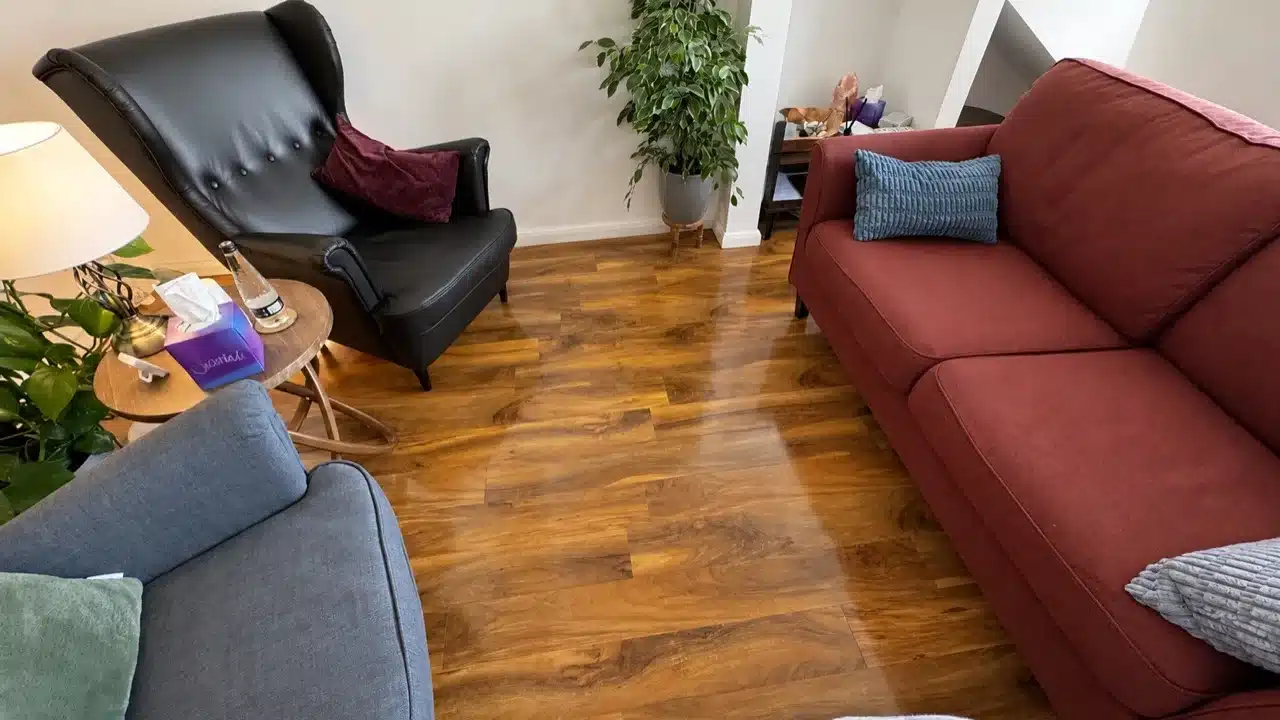
Tap a photograph to enlarge it.
You can begin with different points of view.
You might arrive with different viewpoints about what has happened and what you each need now. One of you may want more closeness while the other feels criticised or overwhelmed.
I do not decide who is right. I help you slow the interaction down, understand what each of you is protecting and make room for the feelings and needs underneath the argument.
Feel heard first
Each person has space to describe their experience without being rushed, blamed or spoken over.
Understand the pattern
We notice what triggers the cycle, how each of you responds and what keeps the disconnection going.
Choose what happens next
You can practise repair, rebuild trust or explore separation with greater clarity and respect.
Finding a way forward, together or apart.
You may want to save your relationship, rebuild trust or consider separation or divorce. We explore what each of you wants, without pressure towards either outcome.
If you separate, we can consider new boundaries and the connection you may still share as friends or co-parents. Friendship is a possibility, never an expectation.
Making space for the transition
I can help you make room for grief, hurt or uncertainty, and work through conversations that feel difficult. Together, we consider how to relate within the boundaries of your changed relationship.
When you are still parents together
When children are involved, the work includes their feelings and needs. We can explore how to communicate, make parenting decisions and handle disagreements without drawing them into adult conflict.
Joint work must be sufficiently safe and freely chosen. Where there is fear, coercion or abuse, safety and appropriate boundaries come first.
Talk about your relationship’s next stageWhen communication breaks down, connection can feel lost.
There does not have to be one dramatic event. Relationship distress often grows through repeated moments of not feeling understood, safe, wanted or important.
Communication & conflict
The same disagreement returns, conversations escalate quickly, or one person pursues while the other withdraws.
Trust & betrayal
An affair, secrecy or broken promise has changed how safe the relationship feels and you are unsure whether trust can be rebuilt.
Distance & intimacy
You feel more like housemates, affection or sex has changed, or there is loneliness despite sharing a life.
Meet Me and My Approach
I’m Carl Argent. My person-centred couples work draws on Gottman-informed and Imago-informed relationship therapy. Both of your experiences matter. I help you explore what happens between you, without taking sides or deciding your future.
Understanding the pattern, finding connection
Gottman-informed work brings practical attention to recurring arguments, repair, trust and everyday connection. Imago-informed dialogue helps us slow conversations down, listen and understand the feelings, needs and earlier experiences behind your reactions.
We work with resentment and disconnection while noticing your strengths, values and ways of showing care. The aim is to hear each other differently, not produce a perfect conversation.
When your relationship is changing
We can work towards repair or a respectful separation, making space for hurt, uncertainty and new boundaries. Therapy supports this emotional work; it is not legal advice or divorce mediation.
Joint work must be safe and freely chosen. I do not offer psychosexual counselling; we can discuss specialist support where needed.
Repair, separation and co-parenting support · My training and registration
A steadier way to hear and be heard.
We work at a pace that helps you understand each other, address resentment and build on your strengths. If you feel too far apart to make progress together, we may agree to include individual sessions before returning to the joint work.
Notice the cycle
We identify the sequence that takes over – the trigger, the meaning each person makes and the protective response that follows.
Reach what is underneath
Anger, silence or criticism often protect more vulnerable feelings such as fear, shame, grief, loneliness or rejection.
Practice repair
You can try new ways of responding while I help keep the conversation safe, specific and connected to what matters.
Understand the nervous system without removing responsibility.
ADHD, autism and other forms of neurodivergence can shape attention, memory, sensory load, emotional intensity and the way each person connects. These differences can be misunderstood as not caring, controlling behaviour or a lack of effort.
Understanding the nervous system can reduce shame and make the pattern clearer. It does not excuse hurtful behaviour; it helps us find responses that are both compassionate and accountable.
Overwhelm & shutdown
Recognise when one or both people are outside their window of tolerance and need a different way to pause.
Rejection sensitivity
Explore how criticism, tone or distance can feel threatening and lead to rapid defensive reactions.
Invisible workload
Make practical and emotional labour visible without turning the conversation into a tally of failures.
Different ways of connecting
Build shared understanding around attention, affection, communication and recovery time.
Finding the right support for both of you.
You do not need to share exactly the same goal. We begin by understanding what each of you hopes for and whether joint work is the safest and most helpful option.
Relationship therapy
Best when both people can attend, speak with reasonable safety and are willing to explore the interaction between them – even if they are uncertain about the outcome.
Individual counselling
May be more appropriate when only one person wants support, when you need space to make sense of your own experience, or when joint sessions would not feel safe.
Safety comes before joint work
If there is coercive control, intimidation, ongoing violence or fear about speaking openly, couples therapy may not be suitable. We can discuss this privately during the free consultation and consider safer sources of support.
Couples counselling in Southend-on-Sea.
Space together in Shoeburyness.
Meet in my private counselling room in Shoeburyness, Southend-on-Sea. If you live in Thorpe Bay, Westcliff-on-Sea or Leigh-on-Sea, you can choose to travel or meet online.
We begin with what is happening between you and what you each need. There is room for recurring arguments, trust, closeness and uncertainty about the future.
See the room, access and travel information before choosing. We can discuss access needs or online sessions during the free introductory conversation.
Ask about couples therapy in SouthendOnline couples therapy across the UK.
Space to hear each other, wherever you live.
I offer online couples counselling across the UK. We can explore communication, trust or distance, including how different ways of thinking and relating affect the connection between you.
Join from the same room or separate locations. Both people need privacy and a reliable internet connection. The free introductory conversation gives us space to discuss your needs and whether joint online work is suitable and sufficiently safe.
If you need space on your own, individual counselling online may fit better. You can also read about my training and approach.
Talk about online relationship counsellingOne fee structure, shaped around how you want to work.
Begin with a free, no-obligation 30-minute video consultation. Ask questions, talk about what you each need and see whether working together feels right. A standard couples session is £95 for 90 minutes, for two people, not per person.
Sessions are normally weekly or fortnightly unless approaching an ending, and the fee is payable in advance.
Book a free consultation Ask a questionStandard session
For two people
- In person
- Online
Extended session
For two or three people
- In person
- Online
Questions about couples therapy and relationship counselling.
Are couples therapy, relationship counselling and marriage counselling different?
You may see these different names when looking for support. In my practice, they refer to relationship work that gives partners space to explore what is happening between them, how they communicate and what they want next. Marriage counselling is not a separate service with a different fee. You do not need to be married to attend couples therapy.
Where can we have couples therapy in Southend?
I offer in-person couples therapy in my private counselling room in Shoeburyness, Southend-on-Sea. You can read the room, access and travel information before deciding whether to attend. Online couples counselling is also available across the UK, with the same published session options and fees.
When should we seek relationship counselling?
You do not need to wait until the relationship is in crisis. Counselling can be useful when the same difficulty keeps returning, when communication has become less safe or open, or when you want to strengthen the relationship before a transition or problem becomes harder to manage. Seeking support earlier can give you more room to understand the pattern and choose what happens next.
Should I choose individual counselling or couples therapy?
Individual counselling can give you space to explore your own experience, needs and choices, including relationship difficulties, even if your partner does not attend. Couples therapy focuses on the pattern between you and can be appropriate when you both want to explore it and can participate freely. You do not need to be certain which option fits before getting in touch. We can discuss this in a free introductory conversation. If there is fear, coercion or concern about safety, joint work may not be appropriate; we would consider a safer form of support.
What if my partner is reluctant to attend?
Choose a calm moment and speak from your own experience: what you have noticed, how it affects you and what you hope could be different. An invitation is usually more helpful than pressure. Your partner can use the free consultation to ask questions without committing to therapy. Individual counselling may also be helpful for you in its own right, although it would not be used as a way to persuade or assess an absent partner.
Is therapy only for married couples?
No. Relationship counselling is available to people who are dating, cohabiting, engaged, married, in a civil partnership or exploring a different relationship structure. The important consideration is whether joint work feels sufficiently safe and whether I am the right therapist for what you want to address.
Do we both need to want exactly the same outcome?
No. It is common for partners to begin with different levels of hope, uncertainty or commitment. We can make those differences part of the work without forcing an early decision or assuming that staying together must be the outcome.
Could we have individual sessions as part of the work?
Yes. If you feel too far apart to make progress together, we may agree to spend some time in individual sessions. This can give each of you space to reflect on your experience, needs and hopes before returning to the relationship work. We would agree the purpose, boundaries and how information from these sessions will be handled beforehand, so both of you understand the arrangement. Where there are concerns about safety, we will consider whether joint work is appropriate at all.
What happens in a typical session?
In the first session, I make space for each person’s perspective, what has brought you to therapy, what you hope might change and anything relevant to safety or the working agreement. Ongoing sessions usually begin with what has happened since we last met, before we slow down a live pattern, explore what sits underneath it and practise a more helpful way of responding.
Will you take sides?
This is relationship therapy, not mediation. I will not act as a judge or decide who has won an argument. I work to understand both experiences and the relationship pattern between you, while helping each person recognise impact and take appropriate responsibility. Balanced therapy does not mean being neutral about intimidation, coercion, violence or other behaviour that undermines safety.
Is couples counselling confidential?
Yes, within agreed professional and legal limits. We discuss confidentiality, safeguarding and how information from any individual sessions is handled before starting. My privacy policy explains how I look after your information.
How long does couples therapy usually take?
There is no fixed number of sessions. Some couples use a focused period of therapy around a particular issue, while longstanding injuries or repeated patterns may need more time. We will agree what you want from the work and review progress regularly, so therapy continues because it remains purposeful rather than because you are committed to a predetermined course.
What happens if one of us wants to separate?
If one of you is considering separation while the other hopes to stay together, we make room for both positions without forcing a decision. We can explore the hurt, new boundaries and co-parenting concerns involved. Read more about support through relationship transitions.
What kinds of issues can we bring to therapy?
Common areas include recurring conflict, communication and listening difficulties, resentment, emotional distance, intimacy, trust, financial stress, parenting and co-parenting, family boundaries, neurodivergence, major life changes and uncertainty about whether to stay together. We can also explore your values, strengths and how you want to deepen your connection. I do not offer psychosexual counselling, so specialist support may be more appropriate for sexual difficulties. You do not need to reduce your relationship to one neat problem before getting in touch.
Can therapy help after infidelity?
It can provide a structured place to understand what has happened, stabilise difficult conversations and explore whether trust can be rebuilt. The process may include making room for the injured partner’s questions and impact, supporting honest accountability, clarifying boundaries and noticing what repair would require. Therapy cannot guarantee reconciliation, but it can support a more informed and respectful way forward.
Why is relationship therapy more expensive?
The fee per appointment is higher because relationship sessions are longer: 90 or 120 minutes. This gives each person time to speak and be heard, and gives us space to understand the pattern between you and work through difficult conversations at a manageable pace. The fee is for the whole session, rather than a separate charge for each person.
How much does it cost, and do you accept insurance?
A 90-minute relationship session is £95 and a two-hour extended session is £135. Fees are payable in advance. Insurance and employee-benefit schemes have different requirements, so please check with your provider before booking and contact me to confirm whether I can work with that arrangement and what documentation I can provide. US-style superbills are not normally used in UK private practice.
Can we have online couples counselling from anywhere in the UK?
I offer both: in-person sessions in Shoeburyness, Southend-on-Sea, and online sessions across the UK. Online sessions usually work best when you are both in the same space, but this is not compulsory. You can join from separate locations if needed. Each person needs privacy to speak openly and a reliable internet connection. We can discuss the arrangement that best supports your work together during the free introductory call.
Choosing couples counselling in Southend that feels right for both of you
You do not need a clear plan before getting in touch. The free conversation is a chance to ask questions and see how the work might feel.
Explore my training and approach or meeting in Shoeburyness or online. If you need support on your own, consider individual counselling about a relationship. If parenting is your main concern, see support for parents.
Related reading.
Thoughts and perspectives from my journal.

The Four Horsemen: 4 Negatives Jeopardising Your Relationship
Explore criticism, contempt, defensiveness and stonewalling in relationships, with compassionate ways to notice conflict patterns and begin repair.
Read the article
Why Do I Keep Playing the Same Role in Relationships?
Different partner, familiar role? Explore repeating relationship patterns and how noticing expectations, reactions and needs can open up more choice.
Read the articleYou don’t need the whole story.
Just a place to begin.
If you are considering couples therapy in Southend or online across the UK, we can talk about what has brought you here, what each of you hopes for and whether working together feels right. The free introductory conversation is a chance to ask questions about relationship counselling, without committing to sessions.