
Feeling Good and Living Well: Making Room for Pleasure and Purpose — an article by Carl Argent
Feeling Good and Living Well: Making Room for Pleasure and Purpose
Explore the balance between enjoying life and finding it meaningful, and how curiosity can help you discover a direction that matters to you.
Living for the next thing to look forward to
You get through a difficult day by thinking about the evening. You get through the week by thinking about the weekend. A holiday becomes something that keeps you going for months.
A meal you enjoy, a laugh with a friend or an afternoon without demands can make a real difference. Yet perhaps the good moments have begun to feel like brief pauses in a life you are mostly enduring. You enjoy them, then return to the same question: is this how I want to spend my time?
Coaching can give that question some room. You can value the pleasure in your life and want a deeper sense that the life itself fits you.
Two old questions that still shape our lives
People were asking what makes a good life long before there were wellbeing apps. In ancient Greek philosophy, one tradition placed pleasure at the centre of living well. Another emphasised developing our capacities and living with character and purpose. Modern psychology has taken these questions into research about how people feel and how they function.
The first is often called hedonia: does my life contain enjoyment and satisfaction? The second is often called eudaimonia, or living well: am I living in ways that feel worthwhile and allow me to develop? The second includes meaning and purpose, but also growth, relationships and being able to live in accordance with your values.
These are overlapping ways of understanding wellbeing. They are not simply short-term versus long-term happiness: a friendship can offer immediate pleasure and lasting meaning, and a meaningful choice can feel satisfying today.
Pleasure matters in its own right
There is value in liking the life you are living. Enjoyment, comfort and moments of delight are part of wellbeing themselves. They do not have to earn their place by making you more productive or preparing you for a bigger achievement.
In modern life, pleasure might be music on the journey home, a warm meal, a playful conversation or noticing the light through a window. Allowing yourself to stay with a good moment can matter as much as arranging the next one. You could put the phone down for the first few minutes of a favourite song and notice what you enjoy about it.
The difficulty arises when relief becomes the only guide for your choices. Repeatedly choosing whatever is easiest now may crowd out a friendship, a skill or a change that needs an uncertain first step. That does not make pleasure shallow. It means that pleasure alone may not answer every need.
Meaning gives your effort somewhere to belong
Purpose offers direction: something you want to move towards. Meaning includes feeling that your life makes sense and matters. You can have several sources of both, and they can change as your circumstances change.
Learning to cook might express care for your family. A local group might give you a place to belong and contribute. Developing a skill might matter because you value learning, even when practice is frustrating. These activities can be worthwhile before they become easy or enjoyable.
This is part of what Positive Psychology brings to wellbeing. It makes room for involvement, close relationships and the satisfaction of developing an ability, alongside pleasant feelings. When an action connects with what you value, you have a reason to return to it that does not depend entirely on being in the mood.
Purpose can help you choose between competing demands; meaning can help those choices feel connected. Neither requires a grand calling or an impressive job. Your life also matters when you are resting, receiving care or unable to contribute in the ways you once did.
A worthwhile life needs room to feel good
A life organised entirely around duty can become narrow too. You might care deeply about your work or family while leaving no space for play, rest or anything that exists simply because you enjoy it.
When every activity must improve you or serve someone, meaning can become another demand. Commitment does not make exhaustion irrelevant. Pleasure does not have to wait until everything important is finished.
Enjoyment and meaningful activity can support different aspects of wellbeing, and research suggests there is value in making room for both. There is no established ideal ratio. A difficult period may call for more comfort and support; another season may leave you wanting a challenge or a new direction.
The aim is a life with several sources of nourishment. It should not require you to choose between enjoying today and caring about where you are going.
Curiosity can help you discover what matters
Being asked to find your purpose can feel like being asked for an answer you do not yet have. Interest is often a more manageable starting point.
Varied experiences can enrich life by giving you a different perspective. An unfamiliar story, conversation or activity may change what you notice, even if it is not especially comfortable or immediately meaningful. Being open to experience means allowing some room for that possibility.
You could borrow a book outside your usual interests, ask someone about work you know little about, try a local class or return to a creative activity. You are noticing what absorbs you, what challenges an assumption and what you would like to understand better.
Curiosity can be a practical way to explore possibilities for a more meaningful life. It is not a guaranteed sequence from pleasure to purpose, and you do not have to turn every interest into a commitment.
How enjoyment can develop into a chosen direction
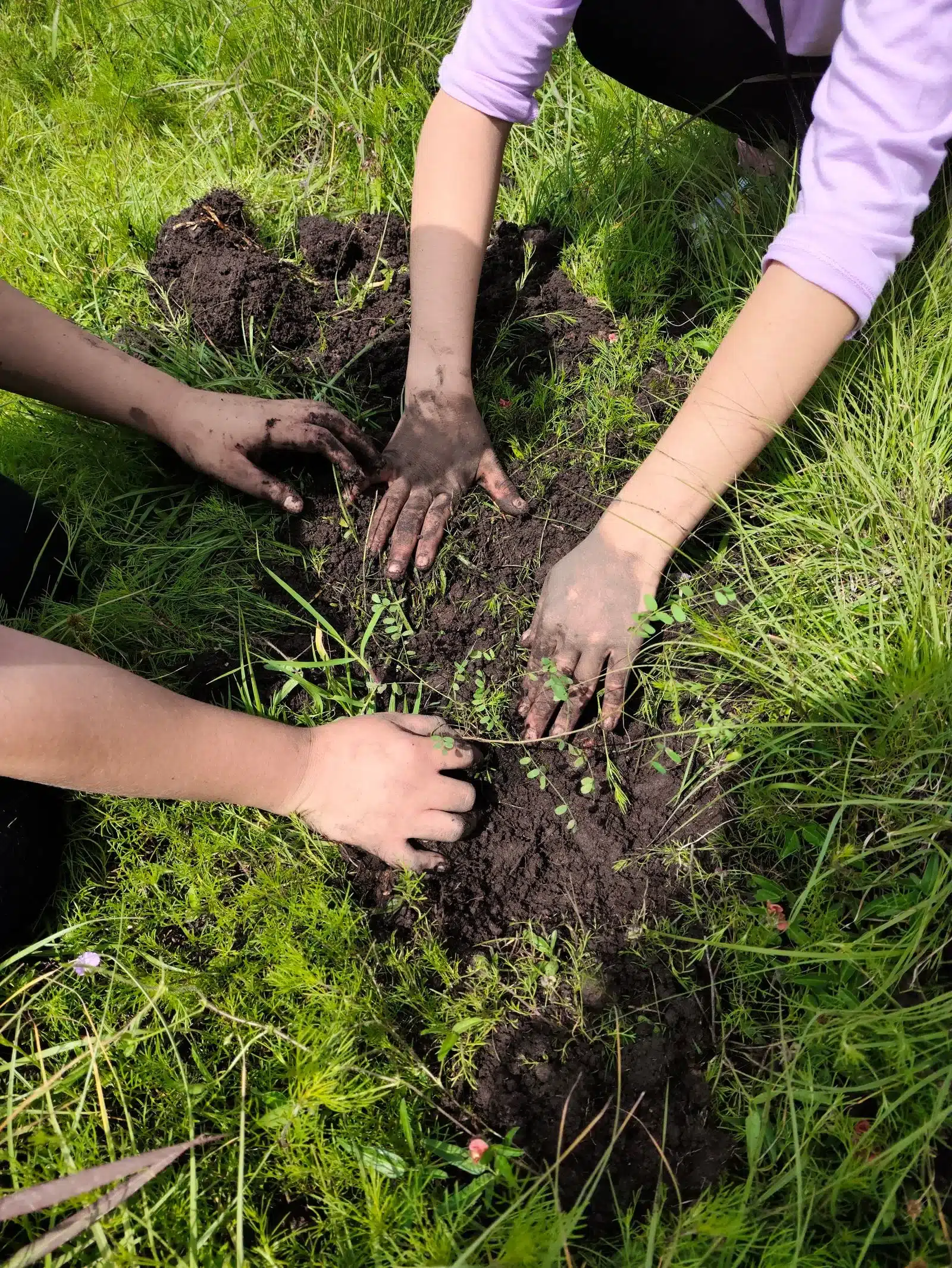
Suppose you join a community garden because being outdoors sounds pleasant. On the first visit you enjoy the fresh air. Then you become interested in how things grow, and someone shows you a skill you want to practise.
You begin to value the people and the place. Returning becomes a way to contribute to something you care about. Some days involve inconvenient weather and ordinary effort. There is still conversation and satisfaction, as well as a reason to stay involved.
This is an example of how we might explore the connection in coaching. The pleasure drew you in, curiosity gave you something to investigate, and experience helped you recognise what mattered. Another activity might remain a lovely afternoon, and that would be worthwhile too.
Finding a balance that belongs to you
Look at an ordinary week. When do you enjoy yourself? Where do you become interested or absorbed? Who helps you feel connected? What do you do because it matters, and where can you recognise progress?
If everything is responsibility, you might protect a small pocket of unhurried pleasure. If you have plenty of distraction but little satisfaction, you could try one activity that uses a strength or connects you with someone. If you are pursuing too many possibilities, you might choose one to explore more fully.
This is not a scorecard. Health, money, caring responsibilities and the environment affect your options. The useful question is what would make your actual life feel more enjoyable, involved or worthwhile now.
How I can help
My person-centred coaching and training in Positive Psychology give us a practical way to explore the balance. I will help you look at the week you are living, including enjoyment, strengths, relationships, purpose and progress. We can identify what feels absent without turning your wellbeing into another performance target.
We might notice that you use your perseverance constantly but rarely have room for curiosity, or that your goals serve everyone except you. I can help you choose an activity or decision to test, connect it to a reason you care about and make the first step realistic.
You could leave a session with one experience to try and a few things to notice: what interested you, what felt worthwhile and what it cost in time or energy. At the next session, we use your experience to decide what to keep, adjust or stop. That is how reflection can become a fuller everyday life, at a pace you choose.
If life works on paper but feels flat from the inside, I would be interested in what that is like for you. Coaching gives us room to explore what you miss, what still engages you and what might be possible within your actual circumstances. It need not start with a big ambition. You can book a free introductory conversation, with no obligation to book sessions, or read more about coaching with me.
Sources and further reading
Oishi, S., & Westgate, E. C. (2025). Psychological richness offers a third path to a good life. Trends in Cognitive Sciences, 29(11), 1023–1033. Published online 24 April 2025. This is a research review.
Huta, V., & Ryan, R. M. (2010). Research on the complementary wellbeing benefits of enjoyment and meaningful activity. Journal of Happiness Studies, 11, 735–762.
Martela, F., & Steger, M. F. (2016). The three meanings of meaning in life: Distinguishing coherence, purpose, and significance. The Journal of Positive Psychology, 11(5), 531–545.
Ryan, R. M., & Deci, E. L. (2001). On happiness and human potentials: a review of research on hedonic and eudaimonic wellbeing. Includes the philosophical roots and modern psychological approaches.
University of Pennsylvania Positive Psychology Center. Enjoyment, engagement, relationships, meaning and accomplishment in wellbeing.
More coaching reading
Becoming Yourself: When Your Life No Longer Feels Like Yours
Bring your question. Explore what comes next.
If you would like to work with a decision, goal or situation in your own life, we can explore whether coaching is a useful fit. In Shoeburyness, Southend-on-Sea, and online across the UK.
Explore coaching